研究目的
Exploring the potential of laser welding of 0.5 mm-thick Titanium-zirconium-molybdenum (TZM) alloy in a lap welding configuration to address the poor weldability issues such as porosity and joint embrittlement.
研究成果
The study demonstrated that introducing an interface gap of 0.09 mm significantly reduces porosity in TZM laser lap welding, achieving a porosity of 3%. The tensile stress of the BOP welded joint reached about 60% that of the base metal, and the fracture stress of the lap welded joint was about 142 MPa. Porosity and embrittlement were identified as the main factors reducing the strength and ductility of the welded joint.
研究不足
The study is limited to the welding of TZM alloy sheets of specific thicknesses (0.5 mm and 1 mm) and may not be directly applicable to other thicknesses or materials. The effectiveness of the proposed methods in industrial applications requires further validation.
1:Experimental Design and Method Selection:
The study involved a systematical experimental approach to explore laser welding of TZM alloy, focusing on reducing porosity and improving joint strength.
2:Sample Selection and Data Sources:
Hot rolled TZM alloy sheets with thicknesses of
3:5 mm and 1 mm were used. List of Experimental Equipment and Materials:
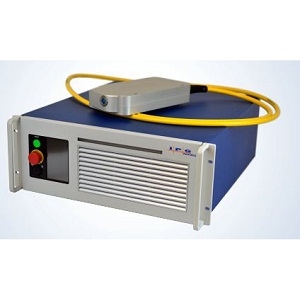
An IPG YLR-1000 fiber laser with a maximum power of 1000 W was used for welding.
4:Experimental Procedures and Operational Workflow:
Bead-on-plate (BOP) welding experiments were conducted to determine the threshold of laser power for keyhole welding. Lap welding experiments were then performed under various conditions to study the effects of shielding gas, interface gap, alloy element addition, and heat input rate.
5:Data Analysis Methods:
Microstructure analysis, microhardness tests, and tensile tests were conducted to evaluate the welded joints.
独家科研数据包��,助您复现前沿成果��,加速创新突破
获取完整内容