研究目的
To study the polishing effect of a continuous-wave laser beam on SKD11 tool steel surfaces prepared by different machining methods and analyze the influence of laser fluence on the polished surface characteristics.
研究成果
The study demonstrated that laser fluence is a critical parameter affecting the polished surface characteristics, with the LS-EDM surface showing the best polishing results. BAC, BRDF, and PSD analyses provided comprehensive evaluations of the surface quality post-LP, indicating that LP can significantly reduce surface roughness but is limited by the initial surface texture and the formation of surface ripples. The findings suggest that laser beams with top-hat distribution have great potential for high-efficiency polishing of tool steel surfaces.
研究不足
The study is limited to SKD11 tool steel and specific pre-prepared surface morphologies (FS-EDM, LS-EDM, and milling). The effectiveness of LP is dependent on the initial surface texture and the laser fluence applied. The presence of surface ripples and the anisotropic characteristics of some surfaces may limit the roughness reduction achievable.
1:Experimental Design and Method Selection:
A continuous-wave laser beam from a multimode fiber laser was applied to study the polishing effect on SKD11 tool steel surfaces prepared by FS-EDM, LS-EDM, and milling. The influence of laser fluence on the polished surface characteristics was analyzed.
2:Sample Selection and Data Sources:
SKD11 tool steel was used as the LP material. Surfaces were pre-prepared by FS-EDM, LS-EDM, and milling techniques to achieve roughness values of approximately Ra 3.5 μm.
3:5 μm.
List of Experimental Equipment and Materials:
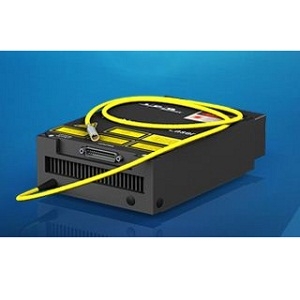
3. List of Experimental Equipment and Materials: The LP system included a fiber laser (IPG Photonics Corporation, Model YLS-010), laser beam transmission optical system, mechanical platform with X-, Y-, and Z-axis motion, and gas protection system. A scanning galvanometer from ScanLAB (hurrySCAN-10) was also equipped.
4:Experimental Procedures and Operational Workflow:
The laser beam was collimated and adjusted to the desired spot size. The filling scanning mode was selected to scan the entire selected surface with a zigzag scanning trajectory. The specimens were placed under an Ar gas-protection atmosphere to prevent oxidation.
5:Data Analysis Methods:
Surface morphologies were analyzed by a Keyence VHX-1000C microscope and Quanta 200 SEM. 2D profiles and 3D surface topographies were measured using a high-resolution LSCM (Keyence VK-X200). BAC, BRDF, and PSD of the surface morphology were calculated and analyzed based on 2D and 3D morphological data extracted into MATLAB software.
独家科研数据包,助您复现前沿成果��,加速创新突破
获取完整内容