研究目的
Investigating the feasibility of autogenous fiber laser welding of 70/30 Cu-Ni alloy plates and evaluating the welded joints in terms of microstructures, defects, and mechanical properties.
研究成果
Autogenous high power fiber laser welding can be used to obtain 70/30 Cu-Ni alloy joints with all defects within the specification requirements. The joints exhibited fine dendritic structures in the fusion zone and no grain coarsening in the HAZ. The joint efficiencies ranged from 92% to 98% in terms of UTS and from 55% to 61% in terms of elongation. The fiber laser is preferred for welding cupronickel alloys compared to CO2 lasers due to higher energy absorptivity.
研究不足
The welding process window is relatively narrow for the 5-mm thick plates with a 5.2 kW fiber laser. Porosity and undercut defects were observed, which could affect the mechanical properties, particularly the ductility.
1:Experimental Design and Method Selection
A high power fiber laser system was used to weld 5-mm thick 70/30 Cu-Ni alloy plates in a butt joint configuration. The study focused on optimizing the defocusing distance, laser power, and welding speed to achieve full penetration and evaluate the weld quality.
2:Sample Selection and Data Sources
70/30 Cu-Ni alloy plates with dimensions of 300 mm x 150 mm x 5 mm were used. The compositions were in accordance with Defence Standard (DefStan) 02-780.
3:List of Experimental Equipment and Materials
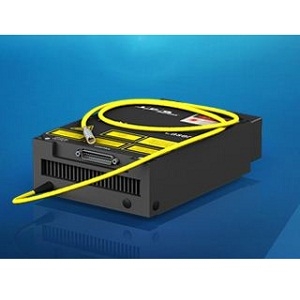
IPG Photonics 5.2 kW continuous wave solid-state Ytterbium-Doped Optical Fiber (Yb-fibre) laser system (YLR-5000), high purity argon (> 99.9%), and a mixture of 50%Ar-50%He for shielding.
4:Experimental Procedures and Operational Workflow
The welding process involved optimizing the defocusing distance, laser power, and welding speed. The welded joints were then evaluated using visual, liquid penetrant, and radiographic tests. Microstructural analysis and mechanical property evaluations were conducted.
5:Data Analysis Methods
Microhardness profiles were measured across the transverse sections of the welded joints. Tensile and bend testing were performed to evaluate mechanical properties. Microstructural analysis was conducted using optical microscopy.
独家科研数据包���,助您复现前沿成果�����,加速创新突破
获取完整内容