研究目的
To propose and experimentally demonstrate a temperature sensor based on a corroded photonic crystal fiber (PCF) using a Mach-Zehnder interferometer (MZI) configuration for high temperature monitoring applications.
研究成果
The proposed PCF-MZI temperature sensor demonstrates good linear response and sensitivity to temperature changes within the tested range. It holds promise for practical high temperature monitoring applications, with potential for further development in specific environments.
研究不足
The sensor's performance is limited by the temperature tolerance of the fiber material and the linear range of 25°C to 100°C. Further development is needed for applications in higher temperature environments.
1:Experimental Design and Method Selection:
The sensor was designed by sandwiching a corroded PCF between two standard single mode fibers (SMFs), creating a Mach-Zehnder interferometer. The PCF's original air holes region was transformed into a hexagonal ring air cavity through chemical corrosion.
2:Sample Selection and Data Sources:
A commercial single-mode PCF (LMA-10) was used, with specific dimensions and properties.
3:List of Experimental Equipment and Materials:
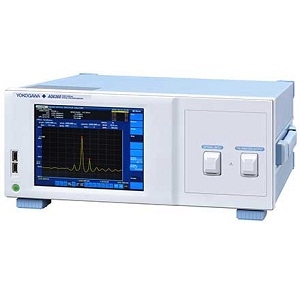
Equipment included a fusion splicer (Fujikura FSM-60S), a broadband light source (BBS, Asef15296410), and an optical spectrum analyzer (OSA, YOKOGAWA AQ6370). Materials included hydrofluoric (HF) solution for corrosion.
4:0). Materials included hydrofluoric (HF) solution for corrosion.
Experimental Procedures and Operational Workflow:
4. Experimental Procedures and Operational Workflow: The PCF was fusion spliced with an SMF, chemically corroded to create a hexagonal ring air cavity, and then connected to another SMF. The sensor's response to temperature was measured using the OSA.
5:Data Analysis Methods:
The wavelength shift in response to temperature changes was analyzed to determine sensitivity and linearity.
独家科研数据包�����,助您复现前沿成果�,加速创新突破
获取完整内容