研究目的
Investigating the synthesis and catalytic activity of Ag–Rh and Ag–Pt heterostructures for the reduction of 4-nitrophenol.
研究成果
Ag–Rh and Ag–Pt heterostructures exhibit enhanced catalytic activity for the reduction of 4-nitrophenol, attributed to antenna–reactor-type plasmonic interactions. The enhancement persists at low loading ratios and over multiple cycles, indicating the potential for cost-effective multicomponent plasmonic catalysts.
研究不足
The study does not explore the reaction kinetics in the absence of visible light to confirm plasmonic enhancement, nor does it run the reduction over the colloidal heterostructures in the absence of a reducing agent to gauge any potential Ag plasmonic contributions.
1:Experimental Design and Method Selection:
Monometallic colloids of Ag, Pt, and Rh were produced via laser ablation. Heterostructures were formed by mixing these colloids.
2:Sample Selection and Data Sources:
Ag, Pt, and Rh targets (purity >
3:9%) were used for ablation in deionized H2O. List of Experimental Equipment and Materials:
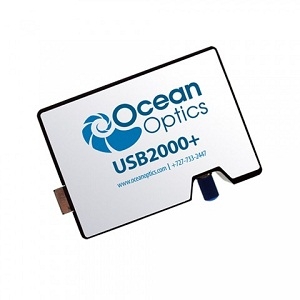
EKSPLA SL312G/SH/TH pulsed laser, OceanOptics USB200 UV–vis spectrometer, Zeiss Libra TEM, FEI Titan TEM.
4:Experimental Procedures and Operational Workflow:
Laser ablation was performed on metal targets in water to produce colloids. These were mixed to form heterostructures. Catalytic activity was measured by the reduction of 4-nitrophenol.
5:Data Analysis Methods:
UV–vis absorption spectroscopy was used to monitor the reduction of 4-nitrophenol, with reaction rates determined from absorption peak changes.
独家科研数据包�,助您复现前沿成果,加速创新突破
获取完整内容