研究目的
To demonstrate a flexible, effective, and economically viable method for generating 3-D micro cavity in soft material like PDMS for optofluidic dye lasers.
研究成果
The study successfully demonstrated a simple and cost-effective method for fabricating 3D microfluidic dye lasers in PDMS using microwire-molding technique. The micro-laser showed visible emission with a threshold pump power of 4.5 mW, indicating potential for integration into lab-on-chip photonic devices.
研究不足
The emissions suffer from a lack of directionality due to the absence of mirror fabrication. Further optimization of the cavity is needed to improve performance in terms of gain, bandwidth, and output power.
1:Experimental Design and Method Selection:
The study utilized microwire-molding technique for fabricating microchannels in PDMS.
2:Sample Selection and Data Sources:
Commercial nylon wire with 140 micron diameter was used for microchannel fabrication.
3:List of Experimental Equipment and Materials:
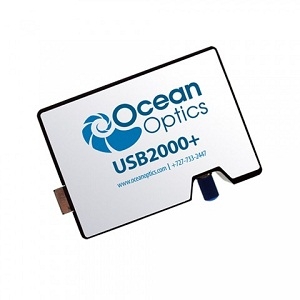
PDMS, nylon microwire, supporting frames, clamp, Rh6G dye, ethanol, benzyl alcohol, syringe needle, micro-position stage, frequency doubled Nd:YAG laser, objective lens (10X), spectrometer (USB2000, Ocean Optics).
4:Experimental Procedures and Operational Workflow:
Micro-wire alignment, pouring and curing of PDMS, microwire withdrawing, filling the microchannel with dye solution, alignment and pumping at 532 nm wavelength, capturing emission spectra.
5:Data Analysis Methods:
Spectroscopic analysis of emission spectra and study of output power variation with pump power.
独家科研数据包,助您复现前沿成果,加速创新突破
获取完整内容