研究目的
To assess the changes in red blood cells (RBCs) during storage using optofluidic laser speckle image decorrelation analysis, focusing on speckle decorrelation time (SDT), relative light transmission intensity, and RBC flow speed.
研究成果
The optofluidic laser speckle image decorrelation time analysis provides a quantitative measure to assess stored RBCs, showing significant changes in SDT, light transmission, and flow speed with storage duration. This method offers a rapid, low-volume assay for monitoring RBC storage quality, potentially improving transfusion medicine strategies.
研究不足
Experiments were performed at room temperature, which may affect repeatability. The study used rodent blood stored in tubes, not clinical RBC storage bags, potentially limiting direct applicability to human blood storage. The relationship between SDT and RBC aging processes requires further investigation.
1:Experimental Design and Method Selection:
A home-built optofluidic system was used for laser speckle imaging of flowing stored RBCs through a transparent microfluidic channel. The SDT was measured to assess RBC changes.
2:Sample Selection and Data Sources:
RBCs were collected from male Sprague Dawley rats, stored in CPDA-1 solution, and monitored over 42 days.
3:List of Experimental Equipment and Materials:
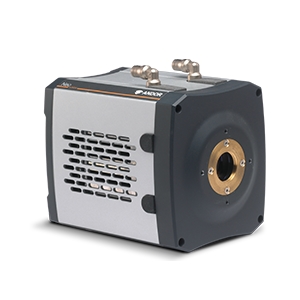
A diode-pumped solid-state laser, microfluidic chip, scientific CMOS camera, and vacuum flow generation system were used.
4:Experimental Procedures and Operational Workflow:
RBCs were flowed through a microfluidic channel, and speckle patterns were captured. SDT, relative light transmission intensity, and RBC flow speed were measured.
5:Data Analysis Methods:
Speckle patterns were analyzed using a custom-written Matlab program to compute decorrelation time. Correlations between SDT, light transmission, and flow speed were analyzed.
独家科研数据包�����,助您复现前沿成果,加速创新突破
获取完整内容