研究目的
To detect and evaluate silicon dispersion from a concentrated source in the mouse brain using laser induced breakdown spectroscopy.
研究成果
The present study demonstrated differences in neural characteristics during implantation of a simulated probe. Future studies should determine single neuronal quantitative analyses during different states, such as disease or during chronic implantation when the probe could be degraded.
研究不足
The present study used a single bolus of silicon in a neural probe to measure the silicon content dispersal in the brain. Future studies should determine if silicon can continually disperse in the brain during chronic implantation.
1:Experimental Design and Method Selection:
The study used laser induced breakdown spectroscopy (LIBS) to measure silicon dispersion in the mouse brain.
2:Sample Selection and Data Sources:
Mice C57BL/6 male, 8 weeks old were used. Groups consisted of 10 mice per regimen and time point, plus sham for a total of 60 mice.
3:List of Experimental Equipment and Materials:
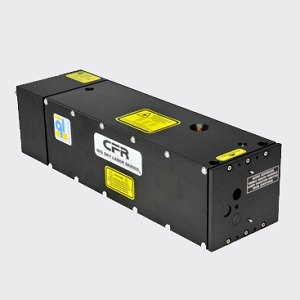
A 1064 nm pulse laser (CFR200, Quantel) emitting an 8 ns, 200 mJ pulse focused to a 10 μm spot was utilized for LIBS.
4:Experimental Procedures and Operational Workflow:
Silicon dispersion was initiated by injecting a silicon bolus into a specific region of interest (ROI). Injection coordinates of the simulated probe were ML:
5:50, AP:
-
6:70, DV:
-
7:50, the ventral aspect of the external cortex of the inferior colliculus (ECIC) in the left or right hemisphere. Data Analysis Methods:
Raw data from the spectrometer was analyzed using MATLAB with Si spectra of most interest. A baseline correction was performed to subtract background from data by using a median filter.
独家科研数据包��,助您复现前沿成果����,加速创新突破
获取完整内容