研究目的
To improve the performance characteristics of powder pseudo-alloy materials using surface heat treatment.
研究成果
The study reveals that laser heat treatment of steel-copper pseudo-alloy forms a partial melting region in addition to the total melting zone, leading to a quenching zone from the solid state with maximal hardness up to 1000 HV. The configuration of treated items together with the LHT parameters influences the final result. The replacement of the friction couple steel-copper pseudo-alloy-carbonite with the friction pair laser hardened pseudo-alloy--rubber shows promising results in reducing wear.
研究不足
The study is limited to the specific composition of steel-copper pseudo-alloy and the use of a continuous-wave fiber laser with a maximum power of 1 kW. The influence of LHT parameters on the characteristics of the hardened layer is evaluated, but the study does not explore the effects of other types of lasers or materials.
1:Experimental Design and Method Selection:
The study involves surface hardening by high-energy treatment using laser radiation. The method includes obtaining powder material, its chemical composition, and the equipment used for laser heat treatment (LHT).
2:Sample Selection and Data Sources:
The samples are components of multistage submersible pumps and model samples of the same composition and structure.
3:List of Experimental Equipment and Materials:
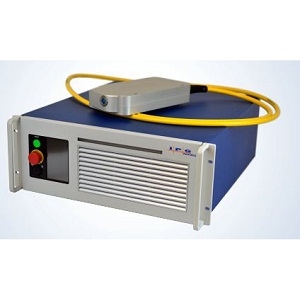
The equipment includes an OPTOMEC LENS 850-R system with YLR-1000 IPG Photonics fiber laser.
4:Experimental Procedures and Operational Workflow:
Laser treatment was performed by single passes in the environment of high-pure argon. The parameters of laser treatment were selected with consideration for the data as reference.
5:Data Analysis Methods:
The microhardness was measured using a Durascan 70 automatic microhardness tester. The microstructure after laser heat treatment was studied using a GX-51 microscope.
独家科研数据包�,助您复现前沿成果,加速创新突破
获取完整内容