研究目的
To study the methods on classification of complex organics by laser-induced breakdown spectroscopy (LIBS) and compare the effectiveness of two chemometric methods, PCA-MD and PLS-DA, in classifying plant leaves.
研究成果
PLS-DA has a stronger ability to recognize plant leaves species than PCA-MD for its optimal PLS components between each kind of leaves. This result can provide a reference for further rapid detection and classification of organics such as plant traceability.
研究不足
The intensity of lines is easily affected by physical and chemical properties of fresh plant tissues, which will result in large fluctuations in the spectra of samples and increase the difficulties for identification.
1:Experimental Design and Method Selection:
The study used LIBS to measure spectra from three kinds of fresh leaves. Two chemometric methods, PCA-MD and PLS-DA, were employed for classification.
2:Sample Selection and Data Sources:
100 pieces of each kind of leaves (Ligustrum lucidum Ait, Viburnum odoratissinum, Bamboo) were collected. 100 spectra from each kind were measured.
3:List of Experimental Equipment and Materials:
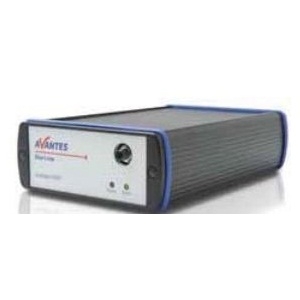
A Nd:YAG laser (Dawa-300, Beamtech, China), an energy meter (J-MB-HE, Coherent, USA), and a two-channel fiber optic spectrometer (AvaSpec-ULS2048-2-USB2, Avantes, Netherlands) were used.
4:Experimental Procedures and Operational Workflow:
The laser beam was focused on the sample using a quartz lens. Plasma emission was focused to a bifurcated fiber cable. The delay time between laser ignition and spectral acquisition was optimized at 300 ns.
5:Data Analysis Methods:
PCA-MD and PLS-DA were used to classify the leaves. The lines from 16 elements and molecules were used as input data.
独家科研数据包�����,助您复现前沿成果����,加速创新突破
获取完整内容