研究目的
Investigating the effect of size on single and double optical microbottle resonator humidity sensors.
研究成果
The size of the MBR significantly affects its performance as a humidity sensor, with smaller MBRs showing higher sensitivity. Double MBRs performed worse than single MBRs in humidity sensing applications. The study provides insights into the design and optimization of MBR-based humidity sensors.
研究不足
The study was limited to MBRs fabricated with specific parameters and did not explore the full range of possible sizes or configurations. The humidity sensing was conducted at room temperature, and the performance at other temperatures was not investigated.
1:Experimental Design and Method Selection:
The study involved fabricating MBRs using the 'soften-and-compress' method and characterizing their optical properties and performance as humidity sensors.
2:Sample Selection and Data Sources:
Four MBRs with different diameters (Db) were fabricated and tested.
3:List of Experimental Equipment and Materials:
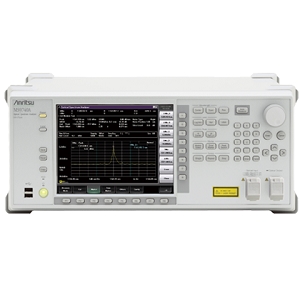
A manual splicer (Furukawa Electric Fitel S178 A), an ASE source, a tapered fibre, an OSA (Anritsu MS9710C), and a hygrometer (RS 1365) were used.
4:Experimental Procedures and Operational Workflow:
The MBRs were excited with an ASE source via a tapered fibre, and their transmission spectra were analyzed. Humidity sensing performance was evaluated by varying humidity levels and measuring transmission changes.
5:Data Analysis Methods:
The Q-factor, sensitivity, linearity, and P-value were calculated to evaluate the sensors' performance.
独家科研数据包����,助您复现前沿成果��,加速创新突破
获取完整内容