研究目的
To propose a high-sensitive Sagnac-interferometer biosensor based on the Vernier effect with a high-birefringence micro?ber for enhanced sensitivity in refractive index and biosensing applications.
研究成果
The proposed high-birefringence micro?ber Sagnac-interferometer biosensor based on the Vernier effect significantly enhances sensitivity for refractive index and biosensing applications, demonstrating a promising approach for high-sensitivity optical ?ber sensors.
研究不足
The mechanical properties and sensitivity of high-birefringent micro?bers must be balanced, and the experiments were conducted in a controlled lab environment to avoid external influences.
1:Experimental Design and Method Selection:
The sensor employs two cascaded Sagnac interferometers, one with a panda polarization-maintaining ?ber as a ?lter and the other with a high-birefringent micro?ber coated with Graphene oxide (GO) as a sensing channel.
2:Sample Selection and Data Sources:
Analyte refractive index (RI) measurements were conducted using NaCl solutions, and biosensing experiments used bovine serum albumin (BSA) solutions.
3:List of Experimental Equipment and Materials:
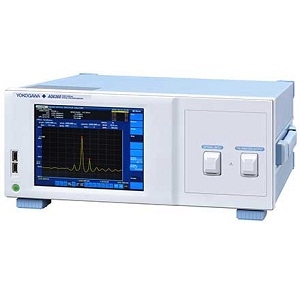
Spectrometer AQ6370D (YOKOGAWA), light source, polarization controller, Hi-Bi micro?ber, panda polarization-maintaining ?ber, GO.
4:Experimental Procedures and Operational Workflow:
The sensor's performance was assessed by measuring shifts in transmission spectra in response to changes in RI and BSA concentration.
5:Data Analysis Methods:
Sensitivity was calculated based on wavelength shifts in the transmission spectra.
独家科研数据包��,助您复现前沿成果�����,加速创新突破
获取完整内容