研究目的
To develop a heat-resistant ultrasonic sensor based on a regenerated fiber-optic Bragg grating (RFBG) for stable ultrasonic detection in high-temperature environments up to 900 °C, and to evaluate its performance in detecting ultrasonic waves with a broad frequency response.
研究成果
The RFBG and R(PS)FBG sensors demonstrated stable ultrasonic detection at high temperatures up to 900 °C, with the R(PS)FBG sensor showing a broad frequency response. These sensors have the potential to contribute to the development of effective nondestructive evaluation methods and structural health monitoring systems for composite materials in high-temperature environments.
研究不足
The sensitivity of the R(PS)FBG sensor was decreased compared to the original PSFBG due to the thermal process. The study focused on ultrasonic detection in a controlled high-temperature environment, and practical applications in real-world conditions may require further validation.
1:Experimental Design and Method Selection:
The research involved fabricating an RFBG by annealing a normal FBG sensor and using a π-phase-shifted FBG (PSFBG) as the seed grating to enhance performance. The heat resistance and ultrasonic detection capabilities of the RFBG and R(PS)FBG sensors were evaluated.
2:Sample Selection and Data Sources:
The study used hydrogen-loaded Bragg gratings inserted into conventional germanosilicate single-mode fibers for grating regeneration.
3:List of Experimental Equipment and Materials:
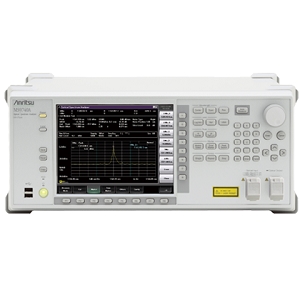
Equipment included a spectrum analyzer (MS9710C, Anritsu), a tunable laser source (TLS, Agilent, 81682A), and a photodetector (PD, New Focus, 2117). Materials included UV-induced uniform FBG and PSFBG.
4:7). Materials included UV-induced uniform FBG and PSFBG.
Experimental Procedures and Operational Workflow:
4. Experimental Procedures and Operational Workflow: The annealing process for grating regeneration was monitored, and ultrasonic detection was performed at elevated temperatures. The system setup included adjusting the light wavelength to keep the laser indexing the linear edge region of the reflection spectra.
5:Data Analysis Methods:
The response of the sensors to ultrasonic waves was analyzed, including temporal waveforms and Fourier transform results to evaluate frequency response.
独家科研数据包����,助您复现前沿成果,加速创新突破
获取完整内容