研究目的
To develop a label-free and in situ cytosensing method based on U-shaped fiber optic local surface plasmon resonance (LSPR) for ultrasensitive detection of cancer cells and evaluation of N-glycan expression on cell surfaces, addressing limitations of existing techniques like fluorescence, mass spectrometry, and NMR.
研究成果
The U-shaped fiber optic LSPR cytosensing method provides an ultrasensitive, label-free, and in situ approach for detecting cancer cells and evaluating N-glycan expression. It offers significant advantages over existing techniques, with a low detection limit of 30 cells/mL and good reproducibility. This tool has potential applications in biophysical research and clinical diagnostics for cancer, enabling dynamic monitoring of glycan-related biological processes.
研究不足
The study may have limitations in the stability and reusability of the fiber optic probes after multiple assays, potential interference from complex biological samples, and the need for further validation in clinical settings. The mechanism behind higher cell density on U-bend areas is not fully understood, and the method's applicability to other cell types or in vivo conditions is not explored.
1:Experimental Design and Method Selection:
The study utilized a U-shaped fiber optic probe coated with gold nanoparticles (AuNPs) for localized surface plasmon resonance (LSPR) sensing. Concanavalin A (Con A) was immobilized on the probe to specifically bind N-glycans on cancer cell surfaces. The method was chosen for its high refractive index sensitivity (RIS) and ability for real-time, label-free detection.
2:Sample Selection and Data Sources:
Human cancer cell lines (MDA-MB-231, MCF-7, HuH-7, SW620) and normal cell lines (HL-7702, WRL-68) were obtained from the Shanghai Institute of Cell Biology. Cells were cultured in Leibovitz L-15 or DMEM media with fetal bovine serum, penicillin, and streptomycin.
3:List of Experimental Equipment and Materials:
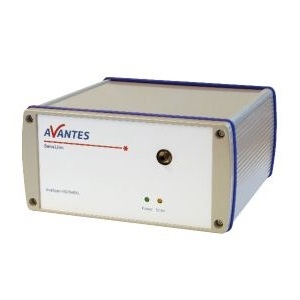
Key equipment included a homemade fiber optic LSPR setup with a light source (HL-2000, Ocean Optics), spectrometer (AvaSpec-ULS2048, Avantes), U-shaped fiber optic probe (CCS-600-2000-S, CeramOptec), metal bath (HB120-S, Dragon), and fluorescent microscope (X83, Olympus). Chemicals included HAuCl4, Con A, APTMS, MUA, EDC, NHS, BSA, TM, and cell culture reagents from Sigma-Aldrich, Aladdin, Thermo Fisher Scientific, and Biological Industries.
4:Experimental Procedures and Operational Workflow:
AuNPs of various sizes (14-48 nm) were synthesized and coated on fiber optic probes. Probes were functionalized with MUA and Con A. Cancer cells at different concentrations were incubated with the probes, and LSPR signals were measured in real-time. N-glycan expression was evaluated after treating cells with tunicamycin (TM). Fluorescence imaging was used for validation.
5:Data Analysis Methods:
LSPR signal change (ΔA) was calculated as the difference in absorption at 530 nm between cell samples and buffer. Linear regression was used for quantification, with LOD determined by 3δ/slope. Statistical analysis included standard deviation calculations for reproducibility.
独家科研数据包�,助您复现前沿成果�����,加速创新突破
获取完整内容