研究目的
To develop and optimize ultrasensitive long-period gratings coated with tantalum oxide for label-free detection of various biological targets, including proteins and bacteria, by enhancing refractive index sensitivity through precise overlay deposition and functionalization.
研究成果
The study successfully demonstrated that TaOx nano-coated LPGs achieve ultrahigh RI sensitivity up to 11,556 nm/RIU, enabling label-free detection of biological targets like proteins and bacteria. Precise control of overlay thickness via ALD is crucial, and the sensor's performance is influenced by the size of recognition elements and functionalization layers. Optimized sensors are more effective for small targets, with protein detection sensitivity reaching 10.21 nm/log(ng/ml). Future work should consider target-specific optimization to maintain high sensitivity in practical applications.
研究不足
The sensitivity of LPGs is highly dependent on precise overlay thickness and properties, with sub-nanometer variations causing significant changes. Biofunctionalization processes can alter the optimized sensitivity, especially for larger biomolecules. The sensor's performance is limited to specific RI ranges and may not be suitable for all biological targets without re-optimization. Experimental setup constraints, such as spectral range of equipment, can affect measurement capabilities.
1:Experimental Design and Method Selection:
The study involved numerical analysis using Optiwave Optigrating software to optimize LPG sensitivity by tuning to dispersion turning point and mode transition effects with TaOx overlays. Atomic Layer Deposition (ALD) was selected for precise overlay deposition due to its atomic-level control. Biosensing experiments were designed with specific functionalization procedures for different biological targets.
2:Sample Selection and Data Sources:
Germanium-doped Corning SMF-28 single-mode optical fiber was used for LPG fabrication. Biological samples included Escherichia coli bacteria and avidin protein, with recognition elements like biotin and bacteriophage adhesin. Data were sourced from spectral measurements and ellipsometry.
3:List of Experimental Equipment and Materials:
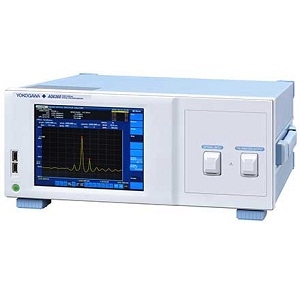
Equipment included KrF excimer laser for LPG fabrication, Beneq TFS-200-190 ALD system, Yokogawa AQ6370B spectrum analyzer, Leukos SM30 supercontinuum laser, Rudolph J57 refractometer, Horiba Jobin-Yvon UVSEL ellipsometer. Materials included TaCl5, deionized water, argon, glycerin/water solutions, silanes (TESPSA, APTES), Ni-NTA, adhesin protein, biotin, EDC, BSA, PBS, chloroform, nitrogen, argon.
4:Experimental Procedures and Operational Workflow:
LPGs were fabricated by UV irradiation and hydrogen loading, followed by annealing. TaOx overlays were deposited via ALD at 100°C. RI sensitivity was measured in glycerin/water solutions. Surface functionalization involved silanization and immobilization of recognition elements. Detection steps included incubation with target solutions, washing, and spectral measurement in PBS at controlled temperature and tension.
5:Data Analysis Methods:
Spectral responses were analyzed for resonance wavelength shifts. RI sensitivity was calculated using linear fits. Ellipsometry data were fitted with Tauc-Lorentz model. Numerical simulations guided overlay thickness optimization.
独家科研数据包,助您复现前沿成果���,加速创新突破
获取完整内容