研究目的
To investigate the capabilities of LIBS in detecting elemental changes in annual tree rings of pines due to environmental events, including an increase activity of the Popocatépetl volcano.
研究成果
LIBS was effective in detecting elemental changes in tree rings associated with volcanic activity. The technique showed high correspondence with ICP-OES results, confirming its usefulness for analyzing complex organic matrices with high spatial resolution.
研究不足
LIBS has lower sensitivity than other analytical techniques such as ICP-MS and a low pulse to pulse reproducibility. The study's sample size was limited, and other environmental factors were not fully accounted for.
1:Experimental Design and Method Selection:
LIBS was used to analyze tree rings with high spatial resolution, allowing separate analysis of earlywood and latewood.
2:Sample Selection and Data Sources:
Ten cores from Pinus Hartwegii were selected, eight from near the Popocatépetl volcano and two from an extinct volcano as reference.
3:List of Experimental Equipment and Materials:
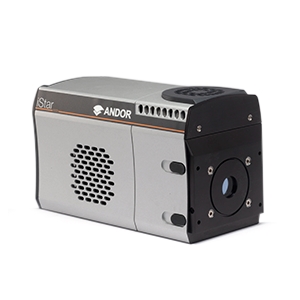
A Nd: YAG laser, an echelle spectrometer, and an ICCD were used for LIBS analysis. ICP-OES was used for validation.
4:Experimental Procedures and Operational Workflow:
Laser energy was fixed at 50 mJ per pulse. Plasma emission was collected and analyzed.
5:Data Analysis Methods:
Spectra were analyzed for elemental composition, with carbon signal used as an internal reference.
独家科研数据包,助您复现前沿成果����,加速创新突破
获取完整内容