研究目的
Investigating the fabrication and performance of an erbium-doped fiber whispering-gallery-mode microcavity laser with high quality factor and low threshold power.
研究成果
The study successfully fabricated a high-Q microsphere-like microcavity with a simple and cost-effective approach, achieving a low threshold power of 21.2 μW and a tunable range of 17.3 GHz. This demonstrates the potential for applications in sensing and single-particle detection.
研究不足
The study is limited by the resolution of the optical spectral analyzer and the specific conditions under which the microcavity laser operates. Potential areas for optimization include further reducing the laser threshold and expanding the tuning range.
1:Experimental Design and Method Selection:
The study involves fabricating WGM microcavities by melting a corroded erbium-doped fiber with a fiber-fusion splicer. The microcavity is pumped by a wavelength-tunable laser source to achieve lasing.
2:Sample Selection and Data Sources:
An erbium-doped fiber (EDF) with specific doping concentration and dimensions is used. The emission spectrum of the EDF is measured under pump conditions.
3:List of Experimental Equipment and Materials:
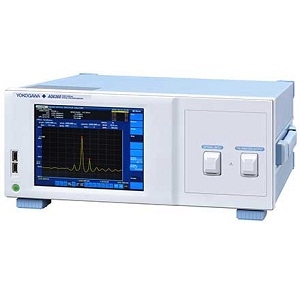
Includes a wavelength-tunable laser (TSL710, Santec), fiber-fusion splicer (IFS-15M, INNO Instrument Inc.), optical spectral analyzer (OSA, AQ6370D, Yokogawa), and photodetector.
4:Experimental Procedures and Operational Workflow:
The EDF is corroded, melted into a microsphere-like structure, and pumped to achieve lasing. The laser's performance is analyzed.
5:Data Analysis Methods:
The laser emission spectrum and threshold power are analyzed using the OSA and photodetector.
独家科研数据包,助您复现前沿成果�����,加速创新突破
获取完整内容