研究目的
To show how a short nanosecond pulse laser ablation can be applied in a micrometer size trapezoidal shape structures i.e. riblets manufacturing for a turbomachinery applications.
研究成果
The study demonstrated that short pulse laser ablation can be applied to the fabrication of riblets on an airfoil. Although the quality of the riblets was not optimal, they still reduced wall shear stress. The processing speed of the nanosecond laser was significantly faster than other methods, making it suitable for industrial applications.
研究不足
The quality of the riblets fabricated with the nanosecond laser ablation method is not as good as with the best possible manufacturing methods. The height and angle of the grooves varied due to the curved surface of the airfoil and the positioning error of the laser system.
1:Experimental Design and Method Selection:
The study utilized a nanosecond pulse laser for the fabrication of riblets on an airfoil. The laser parameters were carefully selected to achieve the desired depth and shape of the riblets.
2:Sample Selection and Data Sources:
The riblets were fabricated on an aluminum airfoil. The dimensions and shapes of the riblets were based on theoretical calculations aimed at reducing drag.
3:List of Experimental Equipment and Materials:
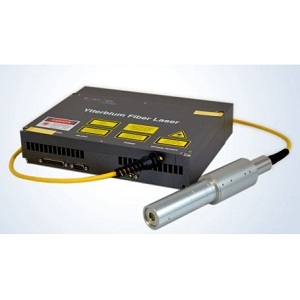
The equipment used included a nanosecond pulse laser (IPG YLPM-1-4x200-20-20), Akribis Systems 3-dimensional linear stages, and a telecentric f-theta lens for focusing.
4:Experimental Procedures and Operational Workflow:
The riblets were fabricated by laser ablating narrow rectangular areas next to each other to form trapezoidal shapes. The laser scanning direction was parallel to the grooves to increase processing speed.
5:Data Analysis Methods:
The fabricated riblets were characterized using optical microscopes and a confocal laser microscope. Wind tunnel tests were conducted to measure the reduction in wall shear stress.
独家科研数据包�����,助您复现前沿成果�����,加速创新突破
获取完整内容