研究目的
To propose a low-cost and small-size sensor system for monitoring a disposable plasmonic chip based on an innovative optical waveguide made of bacterial cellulose (BC), capable of exciting localized surface plasmon resonance (LSPR), and to test its capabilities as an eco-friendly plasmonic sensor platform.
研究成果
The study demonstrated the feasibility of using BC-based composites as eco-friendly plasmonic sensor platforms. The configuration without ILs in the BC paper showed better performance in terms of sensitivity and resolution, making it suitable for biochemical sensing applications when combined with a self-assembled monolayer bio-receptor.
研究不足
The study considered a large refractive index range, which may not imply an actual linear relationship, and the calculation of performance parameters was based on a first-order approach. The configuration with ILs in the BC paper showed reduced performance due to increased optical losses.
1:Experimental Design and Method Selection:
The study involved the development of two plasmonic sensor configurations based on BC papers, with and without ionic liquids (ILs), covered by gold to excite LSPR. The methodology included sputtering gold on BC papers and characterizing the sensors using a simple experimental setup.
2:Sample Selection and Data Sources:
Two samples of BC, one impregnated with ILs and one without, were used. The samples had the same thickness and dimensions. Water-glycerin solutions with varying refractive indices were used to test the sensors.
3:List of Experimental Equipment and Materials:
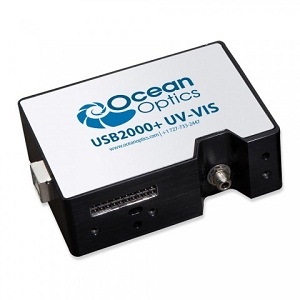
Equipment included a halogen lamp, plastic optical fiber (POF) coupler, spectrometers, and a sputtering machine. Materials included BC papers, gold for sputtering, and water-glycerin solutions.
4:Experimental Procedures and Operational Workflow:
Gold was sputtered on BC papers to create plasmonic sensors. The sensors were characterized using a setup involving a light source, POFs, and spectrometers to measure the LSPR spectra for different refractive indices.
5:Data Analysis Methods:
The sensitivity and resolution of the sensors were calculated based on changes in resonance wavelength and intensity with varying refractive indices. Linear fitting was used to analyze the sensor responses.
独家科研数据包,助您复现前沿成果���,加速创新突破
获取完整内容