研究目的
To assess the costs of potential consequences of switching from using kerosene lanterns to various types of LEDs systems in Lake Tanganyika, and to understand factors that influence the adoption of this new LED lighting technology and determine whether LED systems influence overall fish catch and composition.
研究成果
The adoption of LED lamps in Lake Tanganyika was rapid and cost-effective, primarily reducing economic costs and increasing efficiency without substantially increasing catch. However, the lake’s fishery remains vulnerable to overfishing, highlighting the need for management strategies that consider technological innovations and environmental changes.
研究不足
The study did not account for the lifetimes and costs associated with the batteries used for LED lamps. The potential impacts on long-term fish catches and fishing pressure due to the use of LED lamps in bad weather were not fully explored.
1:Experimental Design and Method Selection:
Field experiments with catch assessments, fisher surveys, underwater light spectra measurements, and cost assessments were conducted to evaluate the impact of switching from kerosene to LED lamps.
2:Sample Selection and Data Sources:
Fishermen and boat owners from Kibirizi and Katonga landing sites were interviewed, and fish catches were assessed at Katonga village.
3:List of Experimental Equipment and Materials:
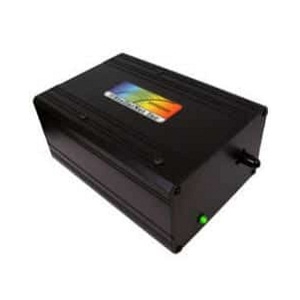
Kerosene lamps, homemade outdoor LED light systems (LED-S), commercially available LED system (LED-R), submersible Stellarnet BLACK-Comet-SR Spectrometer, GPS, Suunto manual diving compass, Vantage Pro2 weather instrument.
4:Experimental Procedures and Operational Workflow:
Comparison of catches among traditional kerosene lamps and two types of LED lamps, with lamps rotating monthly among units. Measurement of light spectral properties of each lamp at night.
5:Data Analysis Methods:
Boosted Regression Tree (BRT) statistical model was used to factor out the potential influence of environmental variables on fish catches.
独家科研数据包��,助您复现前沿成果����,加速创新突破
获取完整内容