研究目的
To develop a flat panel UV-C light source using carbon nanotube (CNT) emitters as an electron beam pumping source for applications in sterilization, optical cleaning, and odor removal.
研究成果
The study successfully developed a flat panel UV-C light source using CNT-based cold cathode electron beam (C-beam) pumping, achieving a peak wavelength of 269.5 nm. This technology offers advantages for large area applications in sterilization and disinfection.
研究不足
The intensity of UV-C light depends on the anode materials and C-beam pumping conditions, indicating potential variability in performance based on material selection and operational parameters.
1:Experimental Design and Method Selection
The study utilized CNT emitters grown on a silicon substrate with direct current plasma enhanced chemical vapor deposition (DC-PECVD) for electron beam generation. The UV-C light was generated by exciting a wide bandgap anode material with the CNT-based cold cathode electron beam (C-beam).
2:Sample Selection and Data Sources
CNT emitters were used as the electron source, and various wide bandgap materials were used for the UV-C layer. The anode was made with an aluminum electrode using thermal evaporation technique.
3:List of Experimental Equipment and Materials
CNT emitters, silicon substrate, quartz glass window, wide bandgap materials for UV-C layer, aluminum electrode.
4:Experimental Procedures and Operational Workflow
Electrons emitted from the C-beam collide with the UV-C layer of the anode under high voltage bias, generating UV-C light through excitation and relaxation processes.
5:Data Analysis Methods
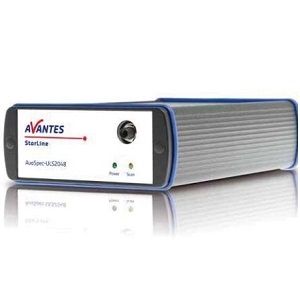
UV spectra were measured with a spectrometer (Avanspec-ULS2048, Avantes) to determine the peak wavelength and intensity of the generated UV-C light.
独家科研数据包����,助您复现前沿成果,加速创新突破
获取完整内容