研究目的
To explore the limits and processability issues of depositing NU–LHT–2M lunar regolith simulant by means of Laser Powder Bed Fusion for in situ resource utilization in space exploration.
研究成果
The study demonstrated the feasibility of LPBF for processing lunar regolith simulant NU–LHT–2M, with refractory clay identified as an optimal base plate material. Multi-layer components exhibited promising mechanical properties, indicating the potential of LPBF for in situ resource utilization in space exploration. Future research should focus on optimizing process parameters for reduced porosity and adapting the technology for extra-terrestrial environments.
研究不足
The study identified technical constraints such as the need for an opportune base plate material and the narrow range of laser power for stable deposition. Potential areas for optimization include reducing porosity levels to improve mechanical properties and adapting the technology for micro gravity conditions.
1:Experimental Design and Method Selection:
The study employed an open LPBF prototypal system to investigate the processability of lunar regolith simulant NU–LHT–2M. The system allowed for flexible variation in processing conditions, including base plate materials and laser parameters.
2:2M. The system allowed for flexible variation in processing conditions, including base plate materials and laser parameters.
Sample Selection and Data Sources:
2. Sample Selection and Data Sources: The feedstock material was lunar regolith simulant NU–LHT–2M, with particle size between 2 and 250 μm after manual sieving.
3:List of Experimental Equipment and Materials:
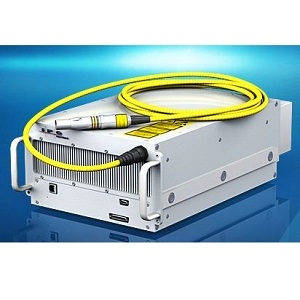
The LPBF system included a single mode fibre laser (IPG Photonics YLR-150/750-QCW-AC), a scanner head (HurryScan 14 from Scanlab), and different base plate materials (C40 steel and refractory clay).
4:Experimental Procedures and Operational Workflow:
The study consisted of three phases: identification of the base plate material, definition of the processability window, and production of multi-layer components for mechanical characterization.
5:Data Analysis Methods:
The process outcome was assessed qualitatively through visual inspection and quantitatively through mechanical testing (compressive yield stress and Vickers micro hardness).
独家科研数据包�,助您复现前沿成果,加速创新突破
获取完整内容