研究目的
To investigate the generation of third and fifth harmonics in air and nanoparticle-containing plasmas using a high-pulse repetition rate fiber laser, and to analyze the characteristics of these processes including power and density dependences, the role of synthesized nanoparticles, and the effects of spectral modulation of driving pulses.
研究成果
The application of high-pulse repetition rate lasers significantly enhances the average power of low-order harmonics generation in isotropic media. The study demonstrated efficient third and fifth harmonics generation in air and various nanoparticle-containing plasmas, with the highest yields observed in plasmas containing quantum dots. The findings suggest potential applications in spectroscopy, photomodification of materials, and nonlinear optical spectroscopy of laser-produced plasmas.
研究不足
The study was limited to the analysis of third and fifth harmonics generation in specific media (air and certain nanoparticle-containing plasmas) using a particular type of laser. The long-term stability of plasma harmonic generation at high pulse repetition rates needs improvement. The research did not explore the full range of possible nanoparticle sizes and compositions for harmonic generation.
1:Experimental Design and Method Selection:
The study utilized a Yb-doped fiber laser to generate third and fifth harmonics in air and various nanoparticle-containing plasmas. The laser delivered 37-fs, 100-kHz, 1030-nm, 0.5-mJ pulses. The experimental setup included a vacuum chamber for plasma formation and a spectrometer for harmonic detection.
2:5-mJ pulses. The experimental setup included a vacuum chamber for plasma formation and a spectrometer for harmonic detection.
Sample Selection and Data Sources:
2. Sample Selection and Data Sources: Plasmas were formed on the surfaces of aluminum, carbon, manganese, and titanium bulk species, as well as quantum dots of metal sulfides. The harmonic generation was compared in these plasmas and in air at similar particle densities.
3:List of Experimental Equipment and Materials:
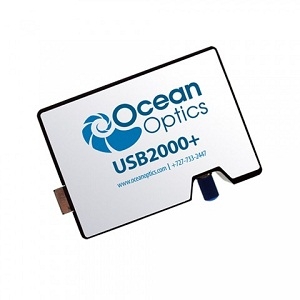
The primary equipment included a Yb-doped fiber laser (UFFL_300_2000_1030_300; Active Fiber System), a vacuum chamber, focusing lenses, a spectrometer (USB2000, Ocean Optics), and various targets for plasma formation.
4:Experimental Procedures and Operational Workflow:
The laser pulses were focused onto the target surfaces to form plasmas. The delay between heating and driving pulses was controlled to optimize harmonic generation. The generated harmonics were separated from the fundamental beam using a quartz prism and detected with the spectrometer.
5:Data Analysis Methods:
The harmonic yields were analyzed as functions of driving pulse power, particle density, and delay between pulses. The data were used to determine conversion efficiencies and to compare harmonic generation in different media.
独家科研数据包���,助您复现前沿成果��,加速创新突破
获取完整内容