研究目的
Investigating the development of a novel photonic crystal fiber (PCF) Mach-Zehnder interferometer (MZI) sensor for detecting hydrogen sulfide (H2S) gas with high sensitivity and selectivity.
研究成果
The developed TiO2/af-GQDs coated PCF sensor demonstrates high sensitivity and selectivity for H2S gas detection, with advantages of low cost, small volume, and simple structure. It is suitable for on-line monitoring of H2S, showing potential for practical applications in environmental and industrial monitoring.
研究不足
The sensor's performance is limited by the thickness and uniformity of the TiO2/af-GQDs film, the concentration of the composite solution, and dip-coating time. The response and recovery times, although reasonable, could be optimized for faster detection.
1:Experimental Design and Method Selection
A novel photonic crystal fiber (PCF) Mach-Zehnder interferometer (MZI) was designed for detecting hydrogen sulfide (H2S) gas. The sensor structure involves two single-mode fibers (SMFs), two multi-mode fibers (MMFs), and a PCF sequentially fused to form a MZI with SMF-MMF-PCF-MMF-SMF structure. Titanium dioxide/amino-functionalized graphene quantum dots (TiO2/af-GQDs) composite was coated on the surface of PCF as sensing membrane.
2:Sample Selection and Data Sources
The sensing membrane was characterized by X-ray photoelectron spectroscopy (XPS), X-ray diffraction (XRD), and scanning electron microscopy (SEM). The properties of the sensor were examined under different concentrations of H2S gas.
3:List of Experimental Equipment and Materials
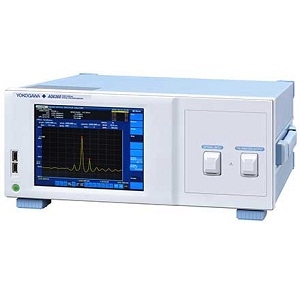
Anatase nano-titanium dioxide, af-GQDs aqueous, automatic optical fiber fusion machine (S178C, Furukawa, Japan), ASE broadband light source (Kangguan, Beijing, China), spectrum analyzer (AQ6370D spectrometer, Yokogawa, Japan).
4:Experimental Procedures and Operational Workflow
The PCF was dipped with the TiO2/af-GQDs composite solution for 10 min, repeated for 4 times to get a layer of sensing membrane, and then dried at 200 ℃ for 2 h in the vacuum oven. The sensor's response to H2S gas was measured by introducing different concentrations of H2S into the gas pool and recording the spectral responses.
5:Data Analysis Methods
The sensitivity, selectivity, response time, and recovery time of the sensor were analyzed based on the spectral responses to H2S gas. The detection limit (LOD) was calculated using the formula LOD=3σ/K.
独家科研数据包,助您复现前沿成果��,加速创新突破
获取完整内容